Home Renovation Dumpster Rental Guide for Blue Springs MO Homeowners
A kitchen or bathroom remodel in Blue Springs MO typically fits a 15-yard dumpster, while whole-home renovations usually require a 20-yard container. Most home renovation dumpster rental periods run 7 to 14 days to match multi-phase project timelines, though a 3-day rental works for smaller, single-room jobs. Driveway placement needs protective boards and enough clearance for delivery trucks, especially on longer Blue Springs renovation projects. Paint, adhesives, and other hazardous renovation materials require separate disposal and cannot go into a standard debris container.
Blue Springs homeowners planning a kitchen overhaul, bathroom update, or whole-home renovation face a practical question before the first wall comes down: where will the debris go. A home renovation dumpster rental solves this problem, but choosing the wrong size or rental length can slow down a project timeline or add unexpected costs partway through. Renovation debris differs from routine household trash in both volume and material type, from torn-out cabinetry and tile to old flooring, drywall, and fixtures. Matching container size to the scope of work, planning for the length of the project, and understanding driveway placement rules all factor into keeping a remodel on schedule. This guide breaks down debris estimates by project type, rental length options, placement considerations, and budgeting details for anyone tackling a renovation in Blue Springs MO.
Why Renovation Projects Need a Dedicated Dumpster
Regular curbside trash service is built for household waste, not construction debris. A single kitchen remodel can generate several tons of material, including cabinetry, countertops, tile, drywall, and old appliances, far more than weekly pickup service is designed to handle. Renovation debris also tends to be heavier and bulkier than typical household trash, with items like concrete, lumber, plumbing fixtures, and flooring that require a container built to hold the weight and volume safely.
A dedicated home renovation dumpster rental keeps debris contained in one place throughout the project, which reduces trip hazards around the worksite and keeps the property organized for contractors, inspectors, and delivery crews moving through the space. Renting a container built specifically for construction waste also avoids the fines, missed pickups, or overflowing bins that tend to happen when renovation debris gets left at the curb for standard residential trash service. For anyone comparing dumpster rental Blue Springs MO options, matching the container to the actual material type from the start prevents most of the common delays that slow a renovation timeline down.
Older homes throughout the Blue Springs area often carry additional debris considerations, including original plaster walls, hardwood subflooring, or cast iron plumbing that adds unexpected weight to a demolition pile. A dedicated container built for renovation work handles this mixed material load far better than a series of trash bags or a pickup truck full of loose debris hauled to a transfer station over several weekends. Keeping demolition debris in one contained spot also helps contractors pass rough-in and framing inspections without a cluttered worksite complicating the walkthrough.
Estimating Debris by Renovation Type
Debris volume varies significantly depending on the scope of a renovation project. A single-room update generates far less material than a whole-home renovation, and sizing a home renovation dumpster rental correctly from the outset avoids the cost and scheduling delay of a mid-project container swap. Planning resources from the National Association of Home Builders note that remodeling scope, more than square footage alone, tends to drive both material cost and debris volume, which makes an accurate estimate worth the extra planning time before booking.
Kitchen and Bathroom Remodels
Kitchen and bathroom remodels typically produce a manageable, predictable volume of debris, including old cabinetry, tile, countertops, and fixtures. A 15-yard dumpster usually handles this kitchen remodel dumpster size comfortably, offering enough capacity for a full cabinet tear-out along with flooring and drywall removed from a single room. Homeowners weighing a kitchen remodel dumpster size decision should also account for appliance disposal, since old refrigerators, ovens, dishwashers, and cabinetry hardware add bulk and weight quickly once removal begins. A bathroom remodel follows a similar pattern, with tile, tubs, vanities, and subflooring making up most of the debris volume. For most single-room projects, a 15-yard dumpster provides enough room without paying for unused capacity.
A gut renovation that strips a kitchen down to the studs, including cabinetry, subfloor, and drywall on all four walls, sits at the upper end of what a 15-yard container comfortably holds. Homeowners planning a lighter cosmetic update, such as swapping countertops and cabinet fronts without a full tear-out, often generate less debris and may find a smaller container sufficient. Discussing the exact scope of demolition ahead of delivery day, rather than guessing at volume, helps match the container size to the actual project rather than a generic estimate.
Whole-Home or Multi-Room Renovations
Whole-home renovations and multi-room projects generate a much larger volume of debris across several weeks or months of work. These larger projects often call for a 20-yard dumpster, or in some cases a longer rental period to accommodate demolition phases that happen at different points in the overall timeline. Combining framing lumber, drywall, flooring, and fixtures from multiple rooms adds up quickly, and underestimating container size leads to costly extra hauls mid-project rather than a single, well-planned rental. Homeowners incorporating energy-efficient upgrades, guided by resources such as Energy Star home improvement guidance, may also generate additional insulation and window debris that adds to the total volume a whole-home project needs to account for.
Phased demolition schedules are common on larger renovations, where a crew might clear out a kitchen and living area in week one, then move to bedrooms and bathrooms in later weeks. Rather than sizing a single container for the entire project's total debris, some whole-home renovations benefit from a mid-project exchange timed to each demolition phase. This approach keeps the container from sitting mostly empty early on or overflowing near the final walkthrough, and it spreads the weight allowance across two rental periods instead of one.
Choosing the Right Rental Length
Rental length should match the pace of the renovation rather than defaulting to a standard term. A 3-day rental works well for a single, contained task such as ripping out one room's flooring or fixtures, where debris accumulates quickly and needs removal before the next phase of work can begin. Longer home renovation dumpster rental terms, typically 7 days or more, give contractors room to work through demolition, framing, and finishing stages without rushing to fill and haul away a container before it is needed again for the next phase.
Multi-phase renovations that stretch across several weeks often benefit from scheduling a swap-out partway through the project rather than committing to one oversized container sitting mostly empty for the first half of the timeline. Matching rental length to the actual project schedule, rather than guessing at the outset, keeps costs predictable and avoids paying for idle container time. Renovation contractors managing residential remodel debris across multiple job sites tend to build this kind of phased scheduling into their own project timelines already, so aligning a dumpster rental to that same rhythm makes coordination easier for everyone on site.
Delivery day scheduling also affects how smoothly a rental period starts. Weekday morning deliveries tend to line up better with a contractor's own start time, while weekend delivery windows work well for owner-managed projects where demolition happens outside a regular work schedule. Confirming a delivery window a few days ahead, rather than the morning of, gives enough lead time to clear driveway space and move vehicles out of the way.
Where to Place the Dumpster on a Blue Springs Property
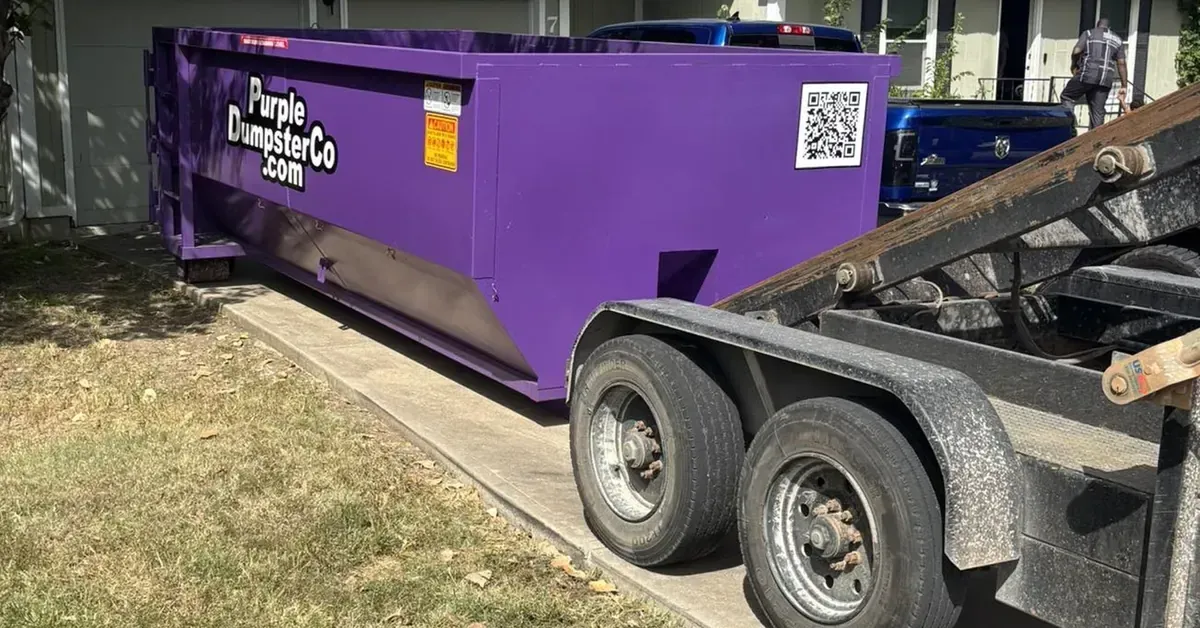
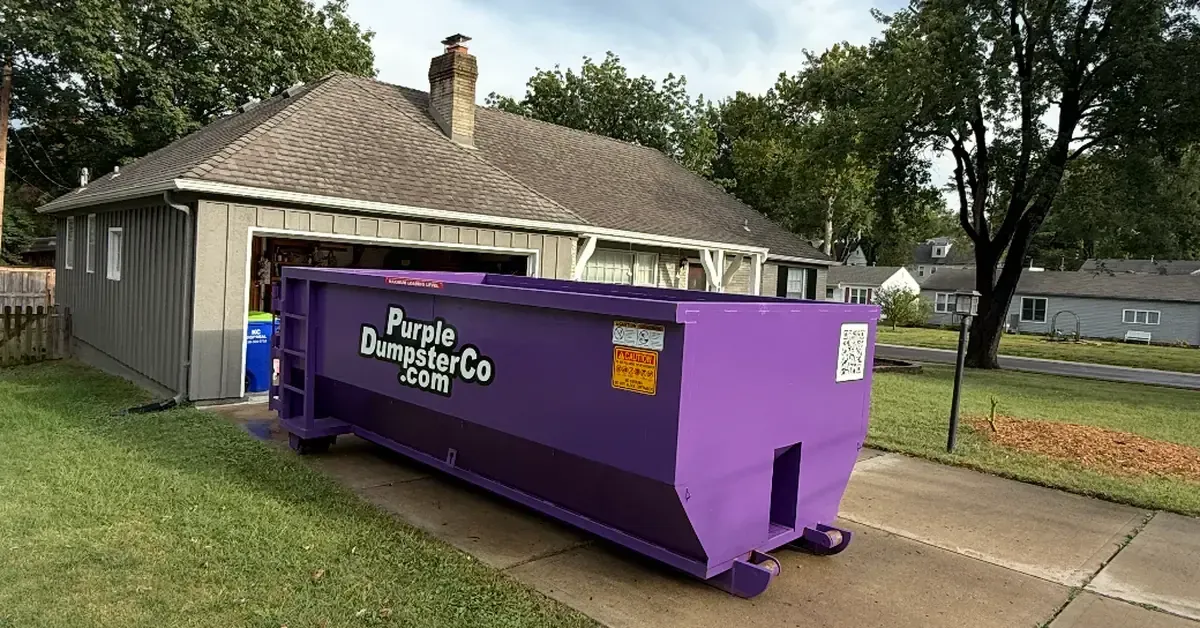
Driveway placement is one of the most practical considerations for any renovation debris container placed in Blue Springs MO. Delivery trucks need adequate clearance to maneuver into position, so measuring driveway width and length ahead of delivery day prevents scheduling delays or a wasted trip if the container cannot be placed as planned. Overhead clearance matters too, particularly for driveways with low tree branches or utility lines running close to the planned drop location.
Placing plywood boards or protective planks beneath the container helps prevent cracking, staining, or surface damage on residential concrete or asphalt, especially during a multi-week rental when the dumpster sits in one spot through several project phases. Homeowners without adequate driveway space for dumpster rental in Blue Springs should ask about street placement options, which may require a permit depending on local regulations and the width of the street itself. Confirming placement details before delivery day, rather than figuring it out once the truck arrives, keeps the whole process moving without last-minute surprises.
Homeowners associations in some Blue Springs neighborhoods maintain their own rules about how long a container can sit visible from the street, along with placement setback distances from property lines. Checking these guidelines ahead of a renovation, particularly for a multi-week whole-home project, avoids a surprise notice partway through the timeline. A brief conversation with neighbors ahead of delivery day also helps manage expectations around noise, truck access, and how long the container will remain on the property.
Managing Debris During a Multi-Phase Project
Renovation projects that unfold in phases, such as demolition followed by framing and finishing work, often fill a container before the project itself wraps up. Scheduling a swap-out ahead of time, rather than waiting until the dumpster is already overflowing, keeps the worksite safe and avoids delays waiting on a same-day pickup request. Coordinating swap-out timing with the contractor's schedule ensures the replacement container arrives back on site right when the next phase of debris starts piling up, rather than sitting full for days while the project stalls.
Planning this step during the initial booking call, rather than after debris is already backing up around the property, makes mid-project logistics far smoother than arranging a rush pickup mid-renovation. General contractors managing residential remodel debris across a busy schedule tend to build swap-out timing into the original quote request for exactly this reason.
Keeping an open line of communication with the dumpster provider throughout a multi-phase project also helps when a timeline shifts unexpectedly, whether due to a material backorder or a permitting delay. A quick call to adjust pickup timing by a few days is far simpler to arrange than scrambling for a same-day swap once the container is already full and blocking further demolition work.
Renovation Waste That Needs Special Handling
Not all renovation debris belongs in a standard dumpster. Paint, solvents, adhesives, and certain sealants are classified as hazardous materials and require separate disposal rather than mixing in with construction debris. Lead-based paint is a particular concern in older Blue Springs homes undergoing renovation, and guidance from the Environmental Protection Agency outlines safe handling practices for homes built before 1978, when lead-based paint was still in common use.
Batteries, propane tanks, refrigerants, and certain electronics also fall outside standard debris disposal and typically require a separate drop-off location or specialized handling. Checking which materials require special handling before the renovation begins, rather than discovering the restriction once the dumpster arrives, prevents delays and keeps the project moving on schedule. A quick materials list shared ahead of delivery day is usually enough to flag anything that needs a different disposal path.
Asbestos is another concern in Blue Springs homes built before the material was phased out of common construction use, particularly in older insulation, floor tile adhesive, and popcorn ceiling texture. Suspected asbestos-containing material typically requires testing and professional abatement before demolition debris can be added to a standard container, since disturbing it during a routine tear-out creates a health hazard well beyond the scope of a normal renovation cleanup.
Budgeting for Renovation Debris Removal
Most home renovation dumpster rental pricing follows a flat-rate structure that covers delivery, pickup, and a set rental period along with a weight allowance built into the quote. Renovation projects that run longer than the included rental period typically incur an extra-day charge, while debris exceeding the weight allowance results in an overage fee calculated by the ton rather than a flat penalty.
Budgeting for a renovation project should account for these potential add-ons rather than assuming a flat rate covers every scenario, particularly for whole-home renovations where the timeline can shift due to material delays or unexpected structural issues. Comparing rental length options against the expected project timeline upfront, rather than defaulting to the shortest or cheapest option, helps avoid surprise charges before the final walkthrough. Remodeling debris removal costs are far easier to predict when the container size and rental term are matched to the actual scope of work from the beginning rather than adjusted after the fact.
Comparing quotes across a couple of local providers before booking helps confirm that a flat rate actually includes delivery, pickup, and a reasonable weight allowance rather than tacking those items on as separate line items later. Asking directly about extra-day rates and overage pricing per ton before signing a rental agreement avoids confusion if the renovation timeline runs longer than originally planned, which happens on a large share of whole-home projects regardless of how carefully the schedule was built.
Conclusion
Renovation timelines move quickly once demolition starts, and having a properly sized debris container in place before the first wall comes down keeps the project on schedule from day one. Comparing dumpster sizes and rental lengths ahead of time, rather than scrambling once debris starts piling up around the property, saves both time and money over the course of a remodel. Kitchen and bathroom projects tend to fit smaller containers and shorter rental terms, while whole-home renovations call for more capacity and a longer, sometimes phased, rental plan that accounts for demolition happening in stages rather than all at once.
Booking ahead of the renovation start date, rather than waiting until the project is already underway, secures the right container size and avoids delivery delays during busy renovation seasons, particularly in spring and early summer when demolition and remodeling work tends to pick up across the Blue Springs area. For help estimating the right size and rental length based on the scope of work, contact (816) 876-9365 to book ahead of the renovation start date, or learn more about the team handling projects across the Blue Springs area.
Recent Posts