10 vs 15 vs 20 Yard Dumpster: Which Size Fits Your Project?
● A 10-yard dumpster fits small cleanouts and holds about 3 pickup truck loads with a 1-ton weight limit.
● A 15-yard dumpster is the middle-ground choice for kitchen and bath remodels, holding about 5 pickup loads and 1.5 tons.
● A 20-yard dumpster handles large renovations and light commercial jobs, with room for 8 to 9 pickup loads and 2 tons of material.
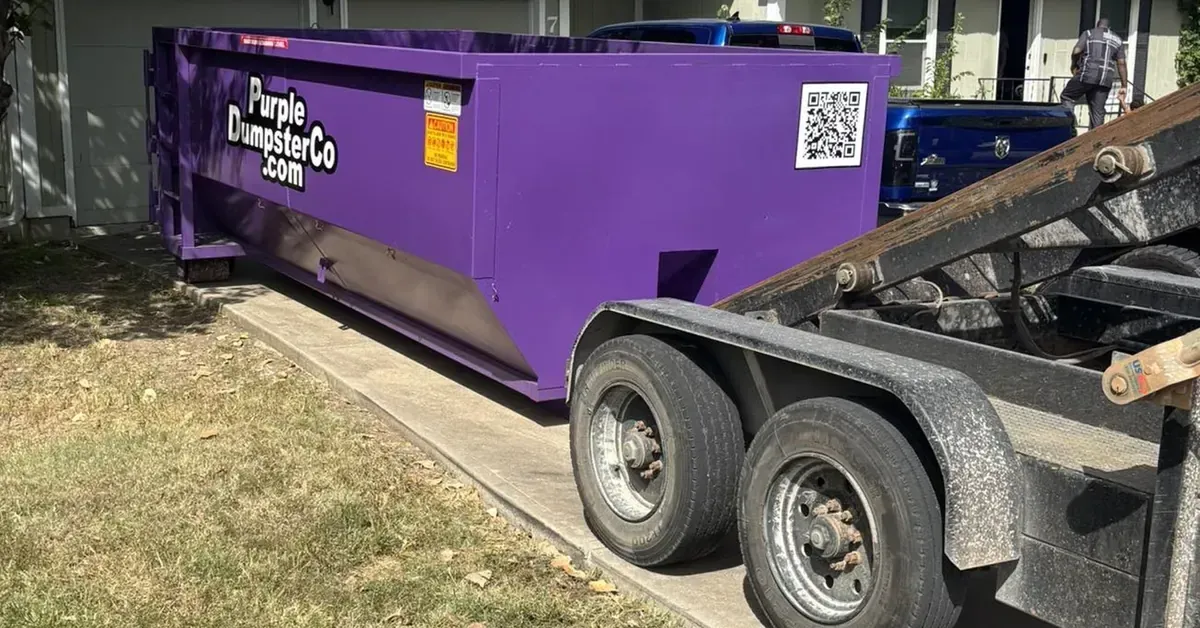
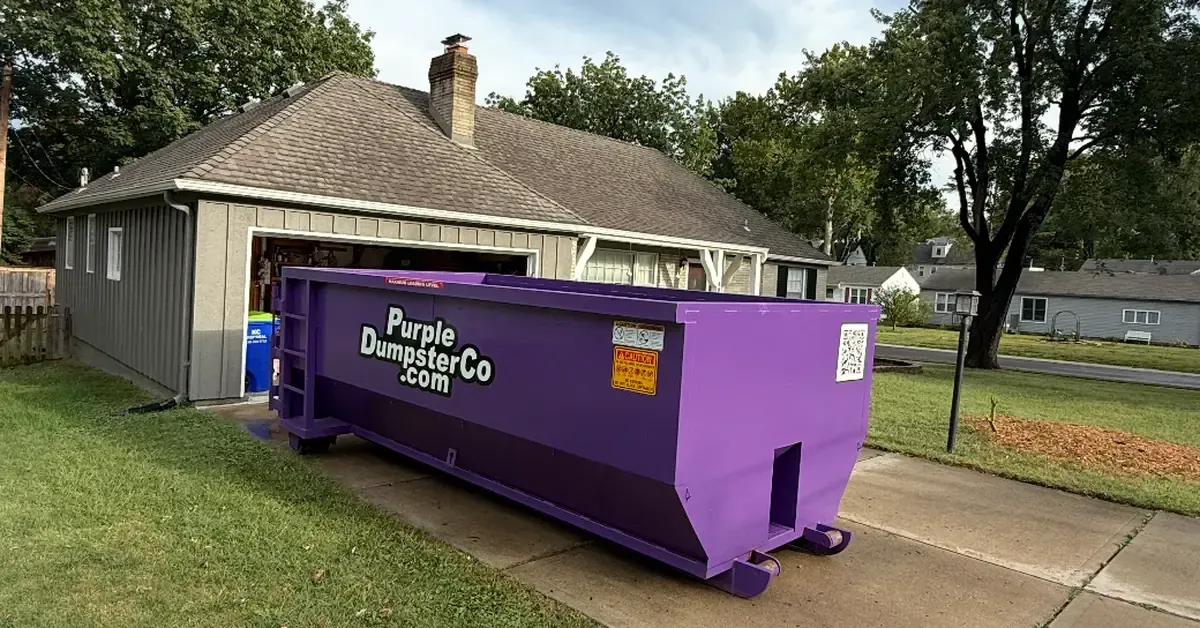
● All three sizes ship as 20-yard bodies with clear fill lines, so choosing the right one comes down to project scope, not container shape.
Choosing the wrong dumpster size ranks among the most common rental mistakes homeowners and contractors make in Lee's Summit, Blue Springs, and across the greater Kansas City area. A container that is too small means overage fees or a second haul. A container that is too large means paying for space that never gets filled. The good news is that sizing a dumpster comes down to a handful of factors: project type, material weight, and available space on site. This guide breaks down the 10, 15, and 20 yard options side by side, covering dimensions, capacity, pricing, and the best-fit projects for each, so the right choice is clear before delivery day.
Why Dumpster Size Matters
Dumpster size affects both cost and logistics. Renting a container that is too small often triggers overage fees once the fill line is exceeded, or requires a second delivery to finish the job. Renting one that is too large means paying for unused capacity that could have gone toward a smaller, cheaper option.
Weight matters just as much as volume. Heavy materials like roofing shingles, concrete, or wet drywall can hit a tonnage limit long before the container looks full. Matching size to both the volume and the weight of the debris keeps a project on budget and on schedule.
10 Yard Dumpster: Best for Small Projects
The 10 yard dumpster is the smallest option available and works well for single-room cleanouts, shed removals, and small basement decluttering projects. It holds approximately 3 pickup truck loads of debris and comes with a 1 ton weight allowance.
Pricing runs $295 to $325 depending on location and drop-off logistics. This size ships as a 20 yard body with a fill line marked at the 10 yard mark, so the footprint on a driveway matches the larger containers even though the usable capacity is smaller.
Common uses for this size include:
● Clearing out a single room, garage bay, or shed
● Removing old furniture, appliances, or small amounts of yard debris
● Light demolition, such as tearing out a small deck or flooring section
15 Yard Dumpster: The Versatile Middle Ground
The 15 yard dumpster sits between the smallest and largest options and suits medium-sized renovation projects. It holds around 5 pickup truck loads and carries a 1.5 ton weight limit, making it a strong fit for kitchen or bathroom remodels where cabinetry, tile, and drywall debris add up quickly.
Pricing for this size runs $325 to $350. Like the 10 yard option, it ships in the same 20 yard body, so the physical footprint on site stays consistent across all three sizes.
This size tends to work well for:
● Kitchen or bathroom remodels
● Multi-room cleanouts or moderate decluttering projects
● Flooring replacement across several rooms
20 Yard Dumpster: Built for Bigger Jobs
The 20 yard dumpster is the largest of the three sizes covered here and handles bigger renovations and light commercial work. It holds 8 to 9 pickup truck loads and comes with a 2 ton weight allowance, giving contractors and homeowners room for larger volumes of mixed debris.
Pricing runs $350 to $375. This size is the full-body version that the 10 and 15 yard containers are scaled down from, which is why all three share the same footprint on a driveway or job site.
Typical projects for this size include:
● Whole-home renovations or additions
● Roofing tear-offs involving multiple layers of shingles
● Light commercial cleanouts or construction debris removal
Side-by-Side Comparison
Lining up all three sizes makes the differences easier to see. The 10 yard container costs $295 to $325, holds about 3 pickup loads, and carries a 1 ton limit, making it the right call for small, single-area projects. The 15 yard container costs $325 to $350, holds about 5 pickup loads, and carries a 1.5 ton limit, landing it squarely in the middle for remodels that touch more than one room. The 20 yard container costs $350 to $375, holds 8 to 9 pickup loads, and carries a 2 ton limit, built for renovations, additions, and job sites generating heavier volumes of debris.
Because all three ship as the same 20 yard body with a marked fill line, the visual size on a driveway looks similar. The real difference shows up in how much material each one can legally and safely hold before hitting the weight cap.
Factors Beyond Size: Weight Limits and Overage Fees
Weight limits apply across all three sizes, and going over the included tonnage triggers a $75 per ton overage charge. Extra rental days beyond the standard rental period add $25 per day. Heavy materials such as concrete, brick, dirt, and shingles fill the weight allowance faster than lighter debris like furniture or yard waste, even when the container still has visible space left.
Estimating weight ahead of time, especially for demolition or roofing projects, helps avoid surprise charges on the final invoice. When in doubt about how a specific material will affect weight, checking with the rental provider before delivery is the simplest way to stay within budget.
How to Decide When Still Unsure
Project type, expected debris volume, and material weight are the three questions that settle most sizing decisions. A single-room cleanout with lightweight items points toward the 10 yard option. A kitchen or bathroom remodel with mixed debris points toward the 15 yard option. A whole-home renovation, addition, or roofing tear-off points toward the 20 yard option.
For projects that fall between two sizes, or that mix light and heavy materials, a quick conversation with a rental provider can confirm the right fit before the container arrives on site.
Frequently Asked Questions
How many pickup truck loads fit in a 20 yard dumpster?
A 20 yard dumpster holds approximately 8 to 9 standard pickup truck loads of debris, depending on how densely the material packs.
What is the most popular dumpster size?
The 15 yard dumpster is the most commonly rented size for typical home renovation projects, since it balances capacity and cost for kitchen, bathroom, and multi-room jobs.
Can the dumpster size be upgraded after delivery?
In most cases, swapping to a larger size after delivery requires scheduling a pickup of the original container and a separate delivery of the new one, so confirming the size before booking helps avoid extra trips and fees.
Conclusion
Matching project scope to container size is the single biggest factor in avoiding overage fees and wasted rental spend. The 10 yard dumpster handles small, single-area cleanouts. The 15 yard dumpster covers most kitchen and bathroom remodels. The 20 yard dumpster is built for larger renovations, additions, and heavier job sites. A quick call before booking can confirm which size fits a specific project, factoring in both volume and material weight, and help avoid costly overage fees down the line. For a free size recommendation or to book directly online, call today.
Recent Posts