Dumpster Rental vs Junk Removal: Which Is Right for Your Project?
Junk removal fits small, one-time loads that need labor included and same-day pickup. Dumpster rental runs on a flat rate, making it the more cost-effective option for larger volumes or multi-day projects. Renovations, estate cleanouts, and construction debris usually favor a rented roll-off over repeated hauling visits. Single-item pickups, move-outs on a tight deadline, and jobs needing heavy lifting help usually favor full-service junk removal.
A garage cleanout, a kitchen renovation, or an estate cleanout usually raises the same question early: hire a crew to haul everything away, or rent a container and load it on a schedule that fits the project. Both routes clear out debris, but they solve different problems. Junk removal Kansas City companies typically send a truck and a two-person crew, handle the lifting, and finish the job the same day. Dumpster rental works differently: a container gets dropped at the curb or driveway, sits on-site for several days, and gets loaded at whatever pace the project allows.
The right answer in the dumpster rental vs junk removal decision depends on project size, timeline, and how much physical labor is available on-site. This guide breaks down cost, convenience, and the project types that favor each option, with a focus on what Kansas City area homeowners and renters run into most often.
Neither option is universally cheaper or more convenient. A single-item pickup and a two-week kitchen gut job have almost nothing in common, and pricing a service around the wrong one usually means paying for capacity that never gets used. The sections below walk through what each service actually includes, how the pricing works, and which project types tend to land clearly on one side of the decision.
What Junk Removal Includes
Full-service junk removal Kansas City providers typically quote a price based on how much space debris takes up in a truck, often measured in fractions of a load. A crew arrives, walks through the pile, gives an on-site estimate, then loads and hauls everything away within the same visit. Labor is built into the price, so no lifting, sorting, or hauling is required from the property owner or tenant.
This model works well for households that lack the time, equipment, or physical ability to load a container themselves. Bulky furniture, appliances, and awkward items that need two people to carry are handled without extra planning. Most companies also sort recyclable and donatable items before disposal, which keeps usable goods out of the landfill. The EPA's waste reduction basics page covers what typically qualifies for diversion before it hits a landfill.
Construction debris is usually the exception. Heavy material like concrete, brick, roofing shingles, or large volumes of drywall often falls outside standard junk removal pricing or gets excluded entirely, since weight and disposal fees for that category of waste differ from household junk. Projects generating that kind of debris typically need a container built for it rather than a per-load pickup.
Scheduling flexibility is usually good, with many providers offering next-day or same-week appointments, but availability tightens around peak moving seasons in spring and early fall. Booking a day or two ahead rather than the same morning generally leaves more choice in arrival windows, especially for larger loads that need a full crew.
The tradeoff is access. Once the truck leaves, the job is finished. There is no multi-day window to keep adding items as a project develops, which makes junk removal a poor fit for renovations or cleanouts that unfold in stages over a week or two.
Pricing also tends to be less predictable up front. A phone estimate is usually a range, and the final price depends on how much space the load actually takes up once the crew arrives and stacks it in the truck. Two similar-looking piles of debris can price differently depending on density and how efficiently items stack, which is worth asking about before booking rather than after the truck is loaded.
What Dumpster Rental Includes
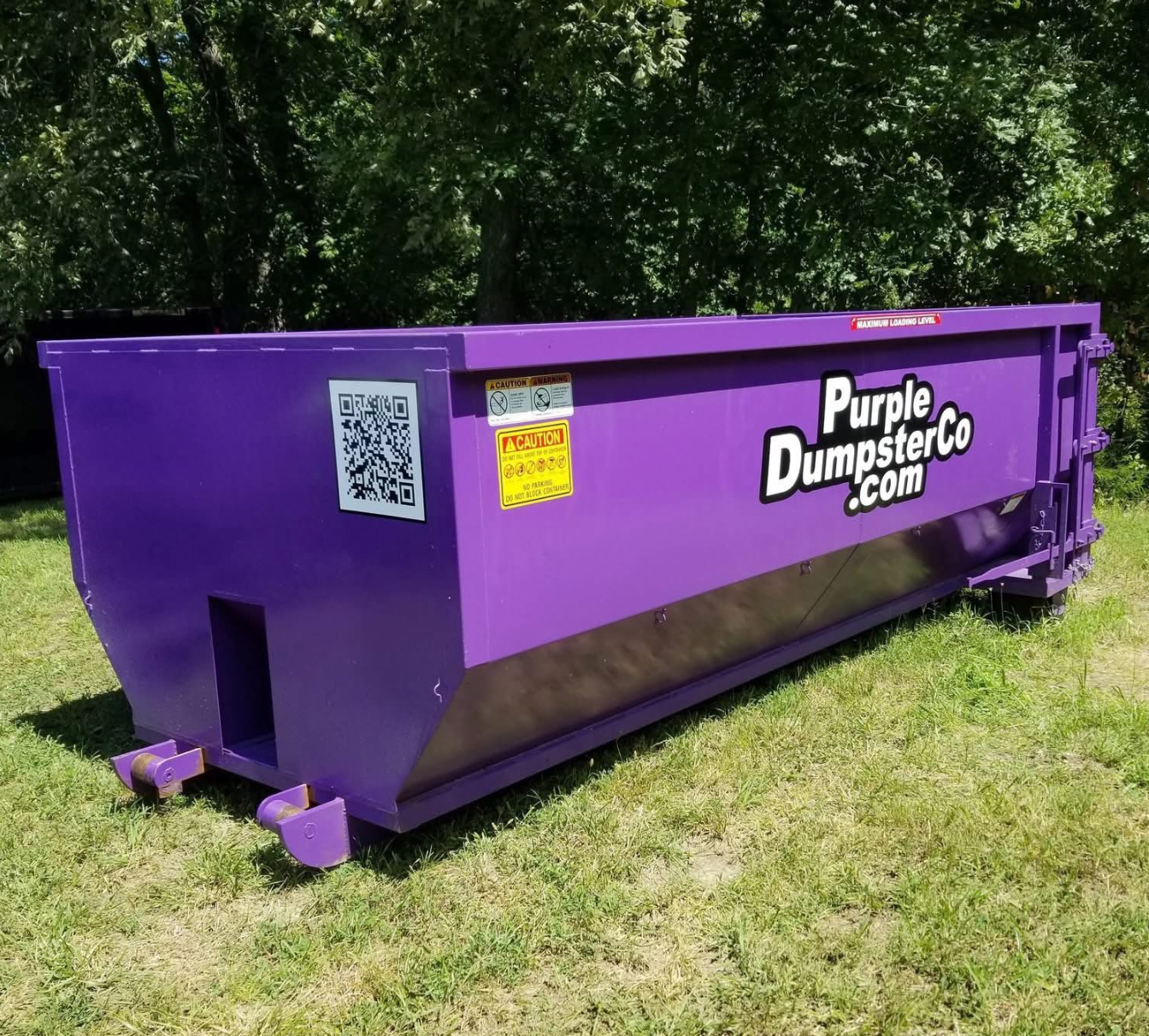
Dumpster rental works on a flat-rate model. A container, commonly a 15-yard dumpster for mid-sized residential projects, gets delivered to a driveway or curb and stays on-site for an agreed rental period, often 7 to 10 days. The property owner or contractor loads it at their own pace, whether that means one trip after work each evening or a full weekend push.
Pricing typically covers delivery, pickup, and disposal up to a set weight limit, with overage fees applying only if the container exceeds that limit. There is no per-load or per-crew charge, since the cost is set before the container arrives. This is the core structural difference in the dumpster rental vs junk removal comparison: cost stays fixed regardless of how the container gets filled, while junk removal cost scales with each visit.
The self load dumpster vs full service junk removal choice largely comes down to available labor and time on-site. Loading a container removes labor cost from the price entirely, which lowers the total but requires physical effort from whoever fills it. It also removes the same-day limitation of junk removal, since debris can accumulate over the entire rental window instead of needing to be ready and hauled in one visit.
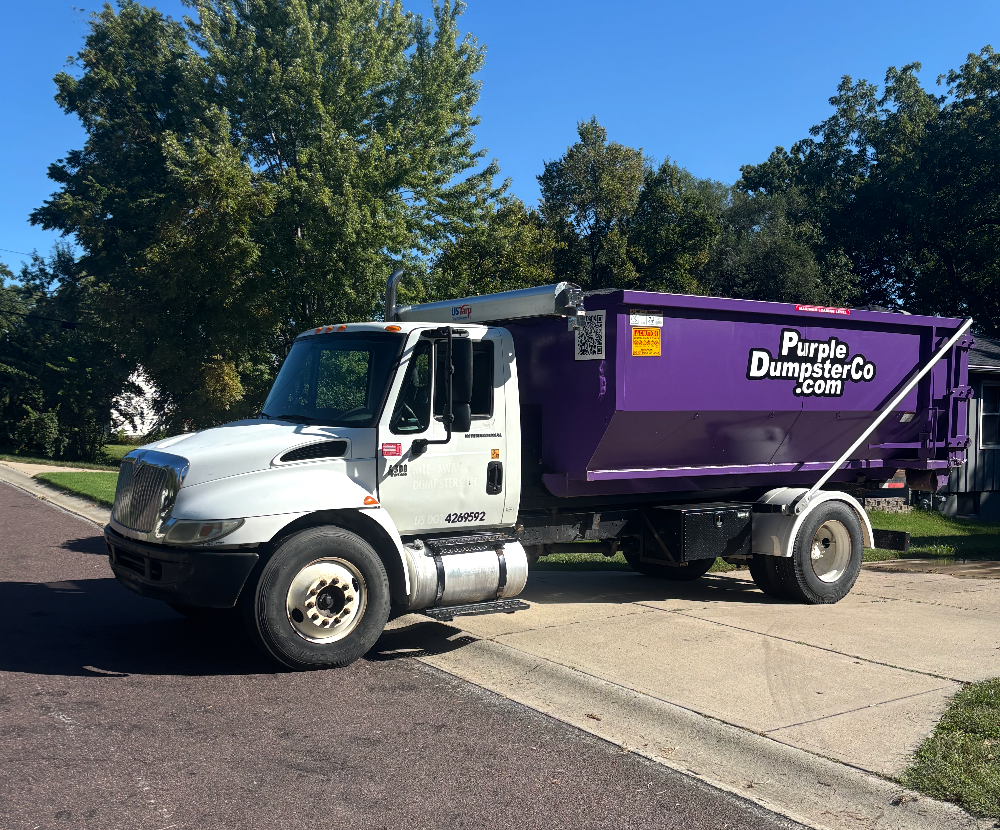
Placement matters more with a rented container than with a junk removal visit, since the dumpster sits on-site for the full rental period. Driveways are the most common spot, since they keep the container off grass or landscaping and give a delivery truck a straight approach. Street placement is sometimes possible but may require a local permit depending on the municipality, so confirming placement rules before delivery day avoids a rescheduled drop-off.
Container sizes typically range from smaller 10-yard units suited to a single room or garage cleanout up to 20 or 30-yard units for full renovations or larger demolition jobs. Sizing correctly up front matters, since a container that fills up early either means paying for a swap or leaving debris to accumulate outside it, while an oversized container simply costs more than the project needed.
Cost Comparison
Cost is often the deciding factor in the dumpster rental vs junk removal comparison, and the math shifts depending on volume. Junk removal is priced per load or by the fraction of a truck filled, which makes it economical for small jobs, a single couch, a stack of boxes, a broken appliance, but expensive per cubic yard as volume grows, since labor is priced into every pickup.
Dumpster rental is priced flat regardless of how the container gets filled, so cost per cubic yard drops as more debris goes in. A container that costs a set rate whether it is half full or completely full rewards larger projects and multi-day accumulation. For a whole-house declutter, a kitchen remodel, or an estate cleanout, the flat rate usually beats stacking multiple junk removal visits.
The Federal Trade Commission's consumer guidance is worth reviewing before hiring any hauling service, since pricing structures, cancellation terms, and weight-limit fees vary by provider. Getting a written quote before booking, whether the choice is a self-load container or full-service pickup, prevents surprise charges on the back end.
A rough way to compare the two: a single junk removal pickup covering a small room's worth of debris often costs close to what a flat-rate dumpster rental runs for an entire multi-day project. Once a job crosses roughly two or three truckloads of material, repeated junk removal visits typically add up to more than one rental period, even accounting for the physical effort of loading a container by hand.
Hidden costs are worth checking on both sides. Junk removal quotes can shift if the crew arrives and finds more volume than described over the phone, while dumpster rental fees can climb if the container sits past the agreed rental period or exceeds its weight limit. Reading the fine print on either service before booking avoids the most common source of billing surprises.
Seasonal demand shifts pricing too. Spring cleanouts, move season, and post-storm debris windows tend to book up fastest for both services, so locking in a date a week or more ahead usually holds better pricing than requesting last-minute service during a high-demand stretch.
Timeline and Convenience
Junk removal wins on speed. A phone call or online booking can turn into same-day or next-day pickup, with the entire job finished in under an hour once the crew arrives. That immediacy matters for time-sensitive situations: move-out deadlines, a home sale closing, or a landlord needing a unit cleared before new tenants arrive.
Dumpster rental trades speed for flexibility. A container that sits for several days accommodates projects that generate debris over time rather than all at once, such as a bathroom demo, a garage reorganization, or a multi-weekend cleanout. Loading happens on whatever schedule fits, without coordinating a crew's arrival window.
The roll off dumpster vs junk hauling tradeoff ultimately centers on control over timing. Junk removal hands the schedule to a crew's availability, while a rented container puts loading entirely in the hands of whoever is managing the project. For debris generated over several days, drywall, flooring, or renovation waste, self-load access is usually more practical than coordinating repeated single-visit pickups.
Rental length also plays into planning. A standard rental period usually runs 7 to 10 days, which covers most weekend renovation projects with room to spare, but longer periods are often available for projects that stretch past a week or two. Confirming the rental window and any daily extension fees before booking prevents the container from sitting unused after loading wraps up.
Best Projects for Junk Removal
Full-service junk removal fits situations where the job is small, contained, and needs to be done quickly:
● Single-item pickups, a mattress, an old grill, a broken washer
● Small furniture hauls after a move-out
● Estate items that need to go the same day as a walkthrough
● Situations where heavy lifting or stairs make self-loading impractical
● Move-out cleanups on a tight closing or lease deadline
None of these generate enough volume to make a flat-rate container worthwhile, and the labor included in the price outweighs the cost difference for a load or two.
Access also plays a role. Apartments, condos, and properties without driveway space for a container often make junk removal the only practical option regardless of volume, since there may be nowhere to place a dumpster for several days. In those cases, scheduling a pickup at the point everything is staged and ready tends to work better than trying to fit a container into a shared parking area.
Best Projects for Dumpster Rental
Larger or ongoing projects tend to favor a rented container over repeated hauling visits:
● Home renovations generating drywall, flooring, or cabinetry debris
● Roofing or siding projects with shingles and construction waste
● Estate cleanouts spanning multiple rooms and several days
● Multi-day decluttering projects, garages, basements, attics
● Demolition debris from small structures or interior teardown
Construction and demolition debris in particular benefits from the flat-rate model, since volume adds up fast once drywall, flooring, and fixtures come out. The EPA's construction debris recycling guidance outlines which materials can be diverted from landfill, useful for renovation projects planning ahead for disposal. Households near the Lee's Summit dumpster rental service area typically see the clearest cost advantage on projects generating more than two pickup truck loads of material.
Whole-property projects, a full basement clearout combined with a garage purge, for example, also tend to favor a container over several smaller junk removal bookings. Loading happens in stages as each area gets tackled, rather than trying to coordinate everything into a single pickup window, and the flat rate stays the same whether the project takes three days or ten.
Questions to Ask Before Choosing
A few questions help settle the dumpster rental vs junk removal decision before booking either service:
● How much debris will the project generate, roughly, in truckloads or cubic yards?
● Does the project finish in one day, or does it stretch across a week or more?
● Is there budget for labor, or does loading need to happen without paid help?
● Will the debris include heavy material like concrete, roofing, or drywall that adds weight quickly?
● Is same-day removal required, or is a multi-day window acceptable?
The weight question deserves extra attention. Concrete, roofing shingles, and drywall are dense and add up in tonnage far faster than furniture or general household junk, which affects both which service will take the material and what it costs to dispose of. Confirming accepted materials before booking, whether that means asking a junk removal crew about construction debris or asking a rental provider about weight limits, prevents a job from stalling partway through.
Answering these questions narrows most situations to one option quickly. Small, urgent, or awkward-to-lift loads point toward junk removal. Larger, ongoing, or budget-conscious projects point toward a rented dumpster. Learn more about the company behind these recommendations on the about Purple Dumpster Co page.
Conclusion
Most decisions in the dumpster rental vs junk removal debate come down to volume and timeline. Small, single-visit jobs favor full-service pickup, since the built-in labor and same-day turnaround outweigh the added cost. Larger projects, renovations, multi-day cleanouts, and anything generating more than a truckload or two of debris, tend to favor a flat-rate container that stays on-site until the work is finished.
Neither service is the better choice across the board, and matching the project to the right one usually saves both money and time. A quick inventory of debris volume, project length, and available labor before booking is enough to point toward whichever option fits best.
For projects in the Kansas City metro that fit the second category, a flat-rate roll-off with flexible pickup timing keeps costs predictable regardless of how long loading takes. Questions about container sizes, rental periods, or delivery scheduling can be directed to the team, contact
(816) 876-9365 or by using the online contact form to
get in touch.
Recent Posts